
Why an Objective Digital Reader Beats Reading Drug Tests by Eye
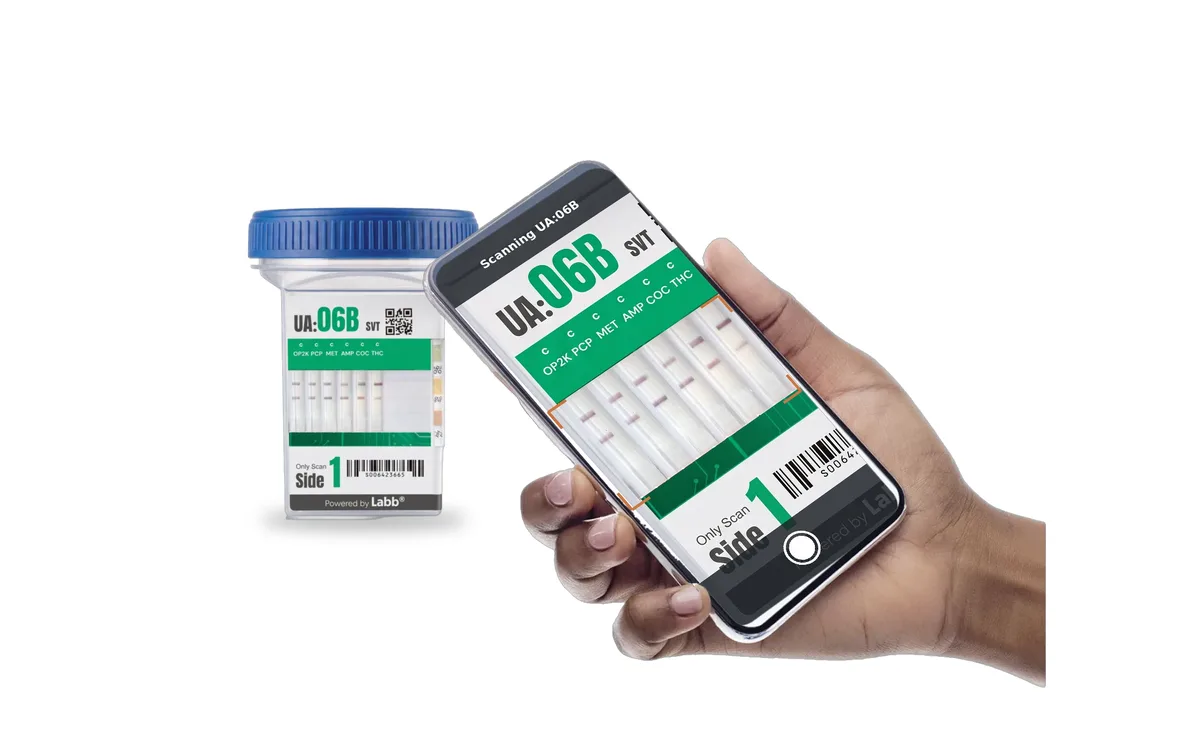
A rapid drug test shows its result as lines on a strip. Reading those lines by eye sounds simple, but it is where many in-house programs run into trouble.
The problem with reading by eye
- Faint lines are read differently by different people
- Lighting, time and fatigue all affect what a person sees
- There is no record of what the line looked like at the time
- In a dispute, it is one person's word against another's
What a digital reader does
A digital reader such as Labb Station uses a phone or tablet camera to capture the test and read the result the same way every time. It records the result with the donor, kit, time and collector, so the documentation is complete.
Why it matters in logistics
With many collectors across shifts and sites, consistency is hard. A digital reader gives every site the same standard and gives managers one place to see results.
Results are still screens
A rapid test is a screen. A non-negative result is sent to a laboratory for confirmation and medical review before any decision is made.
Learn more
Chapter 6 of the Logistics Screening Guidebook explains how rapid tests are read and answers common objections. See which Labb kits work with the reader.