
Ten Common Drug Testing Program Failures, and How to Fix Them
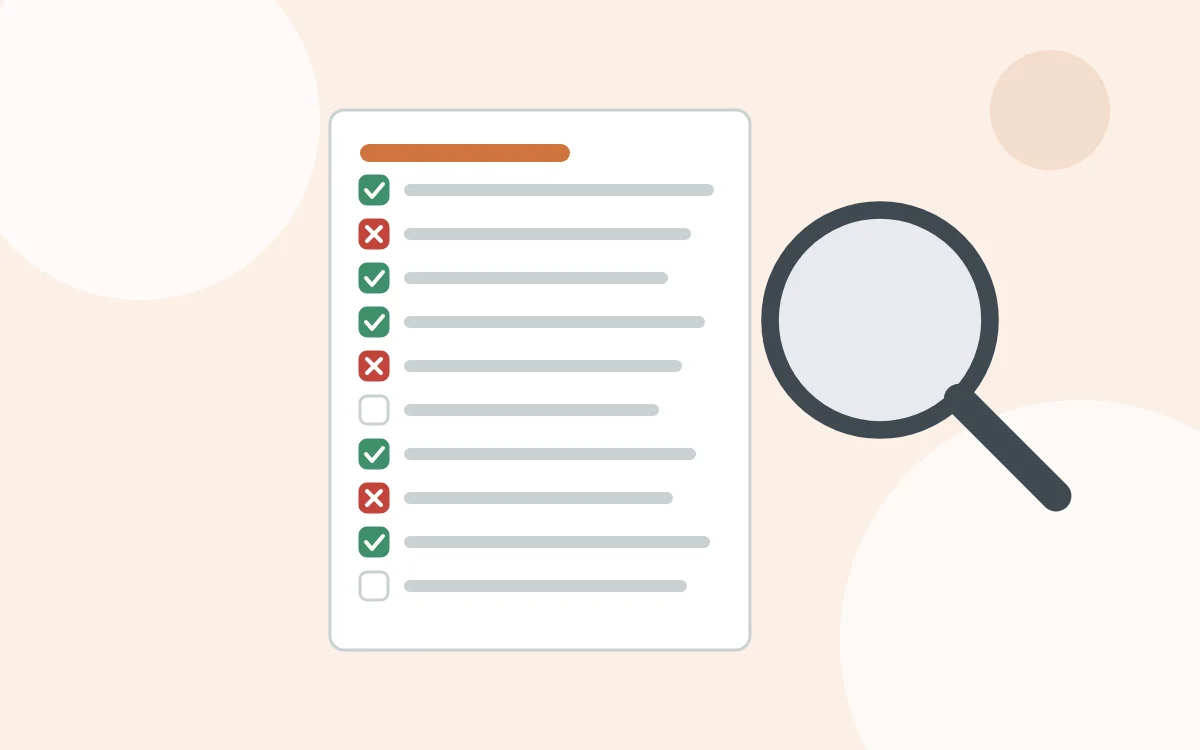
Most drug testing programs were set up once and then left alone. Policies drift, staff change and shortcuts become habits. An annual audit catches the problems before a lawsuit or an incident does.
Failures we see most often
- An outdated policy that does not reflect current state marijuana or prescription laws
- Inconsistent testing reasons, where some supervisors order reasonable suspicion tests and others never do
- No trained collectors, or training that was never documented
- Collection areas without privacy or security
- Broken chain of custody, with missing signatures or times
- Reading results by eye, with no record of what was seen
- No medical review of non-negative results before action is taken
- Results stored with general HR files instead of a confidential file
- No random program where the policy says there is one
- Consequences applied unevenly across shifts or sites
How to fix them
Start with the policy, then train the people who follow it. Standardize collection with written steps, use an objective digital read such as Labb Station, and store results in a system with access controls.
Measure the results
Track turnaround time, test volume by reason, non-negative rates and how long post-incident tests take. Numbers show whether the fixes worked.
The Manufacturing Screening Guidebook includes a full audit chapter and a 25-question practice exam.